Balandra Beach: what to know before visiting
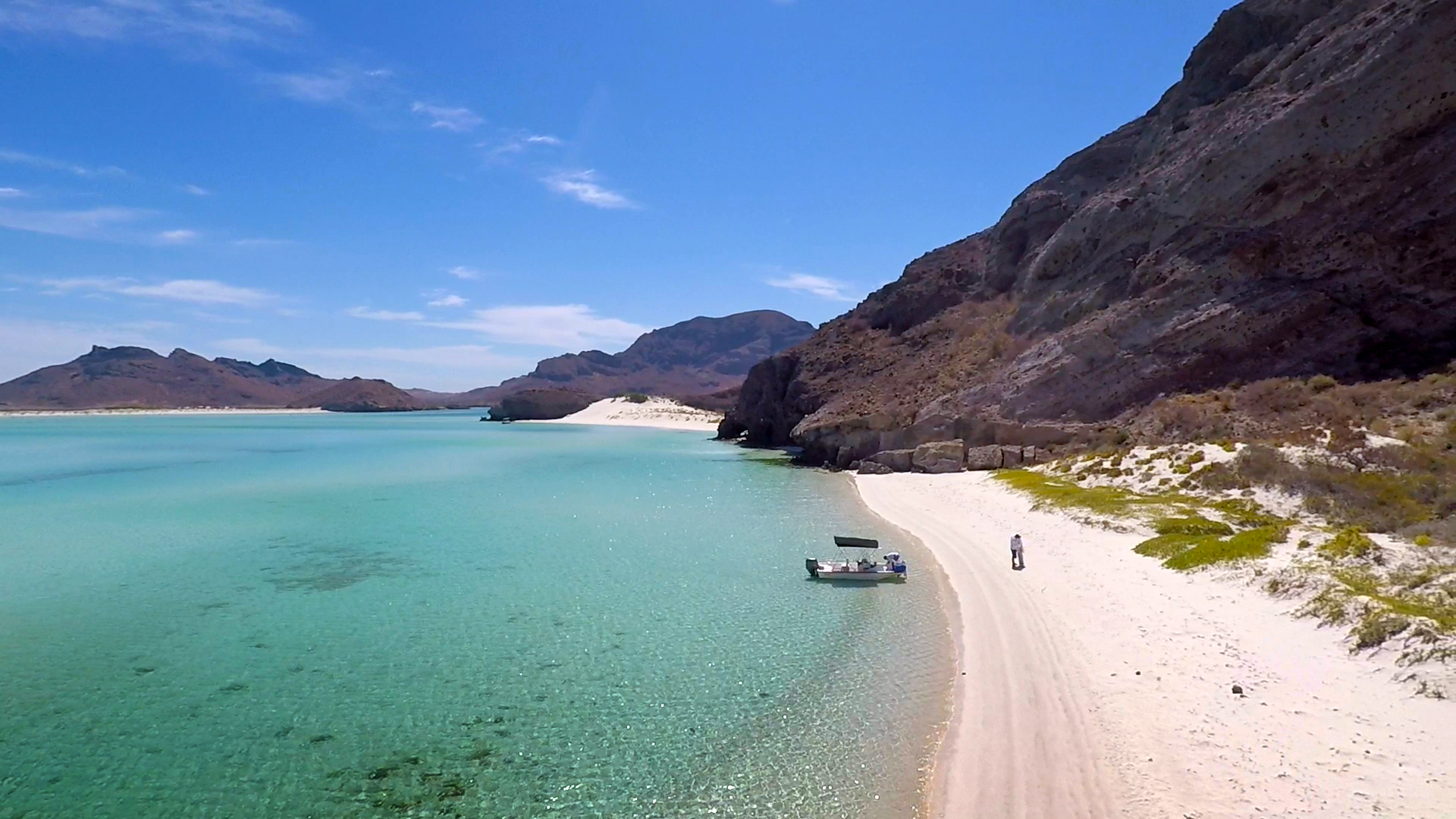
Balandra Beach is a white-sand beach in a sheltered bay north of La Paz, Baja California Sur. Turquoise shallows, mangroves, desert hills and the mushroom-shaped rock known as El Hongo make it a memorable place to swim, paddle or spend time on the sand. It is a protected natural area with controlled visitor access, so plan entry as carefully as transport.
Entry sessions and visitor limits
As checked on 1 November 2026, CONANP lists two sessions: 8:00 am–12:00 pm and 1:00 pm–5:00 pm, with a maximum of 450 visitors per session. Leave at the end of your authorized session. Check current notices before traveling, including closures or date-specific restrictions.
CONANP currently offers digital access for the afternoon session. Use its official Balandra access page for the current wristband process, available dates and session instructions. Do not rely on the older advice that advance purchase is impossible or that payment can always be made at the beach.
The same CONANP page currently lists a standard fee of MX$125 per person per day, with discounts and exemptions requiring eligibility and identification. Confirm the amount and category when arranging access, as published guidance and tariffs can change. Keep your confirmation and required ID available for inspection.
Getting there
Balandra is a day-trip destination from La Paz, rather than a beach in Cabo San Lucas. For cars, taxis, buses and trips from Los Cabos, use our Balandra transport guide. Allow time for entry arrangements as well as the journey, especially when traveling a long distance.
Swimming, snorkeling and paddling
The bay is known for shallow water, but depth changes with the tide and there are deeper areas. Do not assume you can walk across the whole bay or that conditions will stay the same. Check local guidance, supervise children and stay within your swimming ability.
You may spot fish around rocky areas while snorkeling. Avoid standing on habitat or disturbing marine life. Kayaking and paddleboarding can offer a wider view of the coves when conditions allow; confirm rental availability, permitted areas and the return time before setting out.
El Hongo, viewpoints and wildlife
El Hongo is Balandra’s distinctive mushroom-shaped rock. View and photograph it without climbing on it. Use authorized paths for viewpoints and walks, and keep off dunes and sensitive vegetation. Bring appropriate footwear and water, as exposed trails can be hot.
Mangroves and the bay support birds and marine life. Pelicans, gulls and frigatebirds are part of the attraction, but a visit does not guarantee turtles, dolphins or other particular wildlife. Observe without feeding or approaching animals.
Facilities, packing and beach rules
Bring drinking water, food, sun protection and enough shade for your group. Do not depend on buying refreshments at the beach. Use the designated dry toilets and take your rubbish away in reusable containers or bags.
- Stay on authorized paths and do not climb dunes or El Hongo.
- Leave shells, stones, sand, plants and animals where they belong.
- Keep the mangroves and shoreline undisturbed, and follow staff instructions.
- Confirm specific permissions before bringing a pet or drone. Do not assume admission or permission to fly.
Temporary closures can follow weather, safety or environmental conditions. A booking or a boat trip does not override access restrictions.
A private cruise to Balandra Bay
The existing Balandra Bay Private Snorkelling (& Sea Lions) Cruise visits Balandra Bay and includes San Rafaelito in its advertised itinerary, with the option to observe wildlife from the boat. Check the current itinerary, activities, fees and landing arrangements with the operator before booking. Sea conditions, access restrictions and wildlife can change the experience; arriving by boat does not mean unrestricted access to every beach.