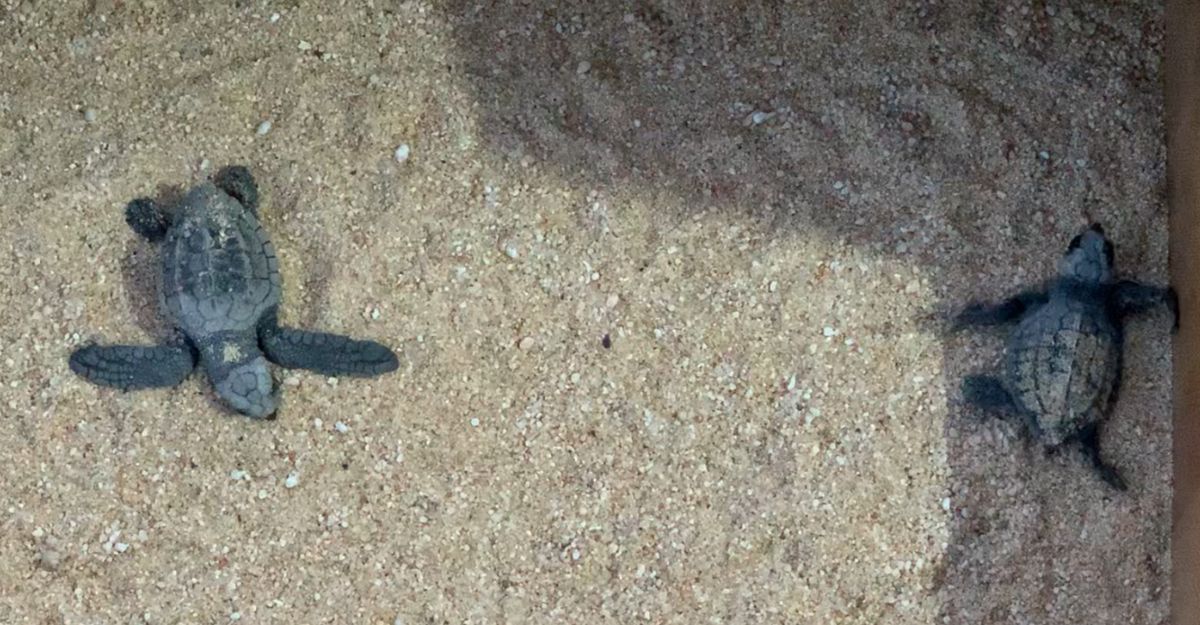
Sea turtle release in Cabo: choose a responsible observation
Watching sea turtle hatchlings reach the ocean can be a memorable Los Cabos experience. It is a wildlife-conservation activity, not a guaranteed daily performance. Choose an authorized programme and follow the conservation team’s instructions rather than handling turtles independently.
When can you see a turtle release?
Timing depends on species, nesting, incubation and the programme. Hilton Los Cabos describes a late-July-to-November turtle-protection season, while individual operators advertise different release windows. Confirm the actual date, availability and arrangements before booking, rather than treating one calendar as universal.
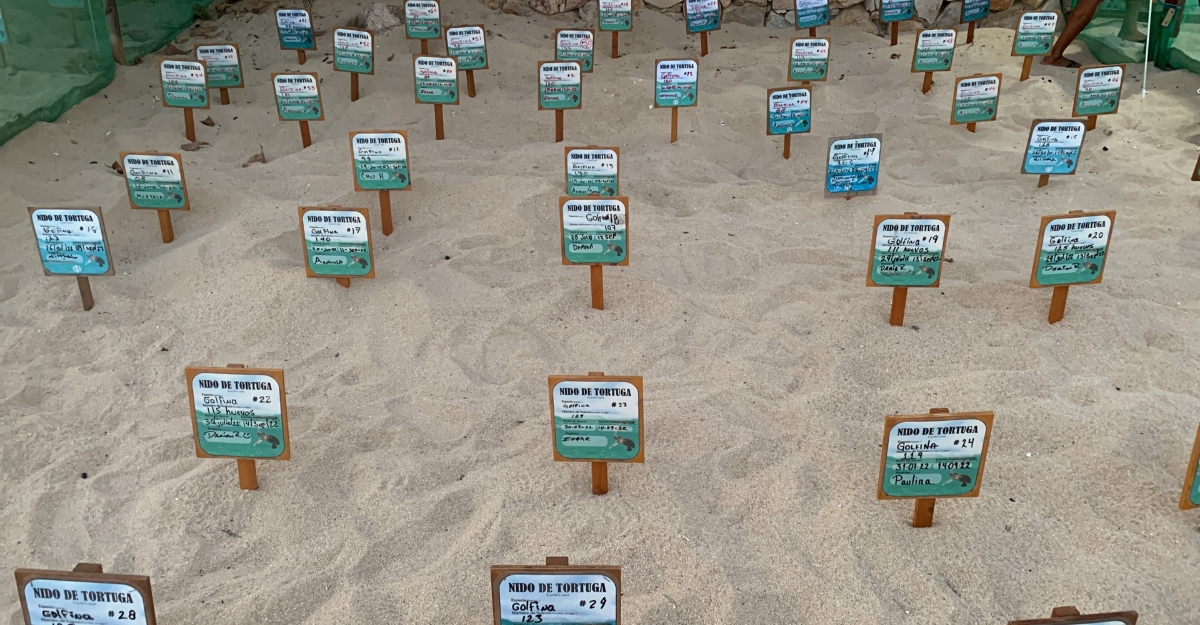
Hatchlings should be managed according to conservation needs, not held or disturbed to produce a photograph or satisfy a visitor’s timetable. A beach’s nesting history does not guarantee a release when you arrive.
How nesting and hatching fit together
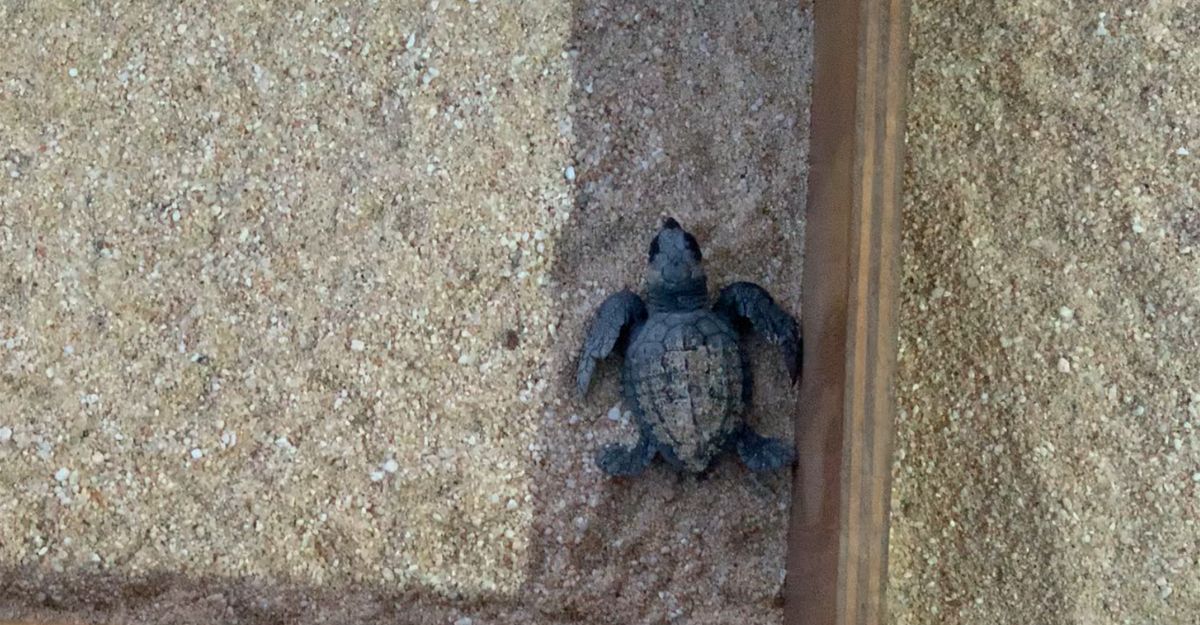
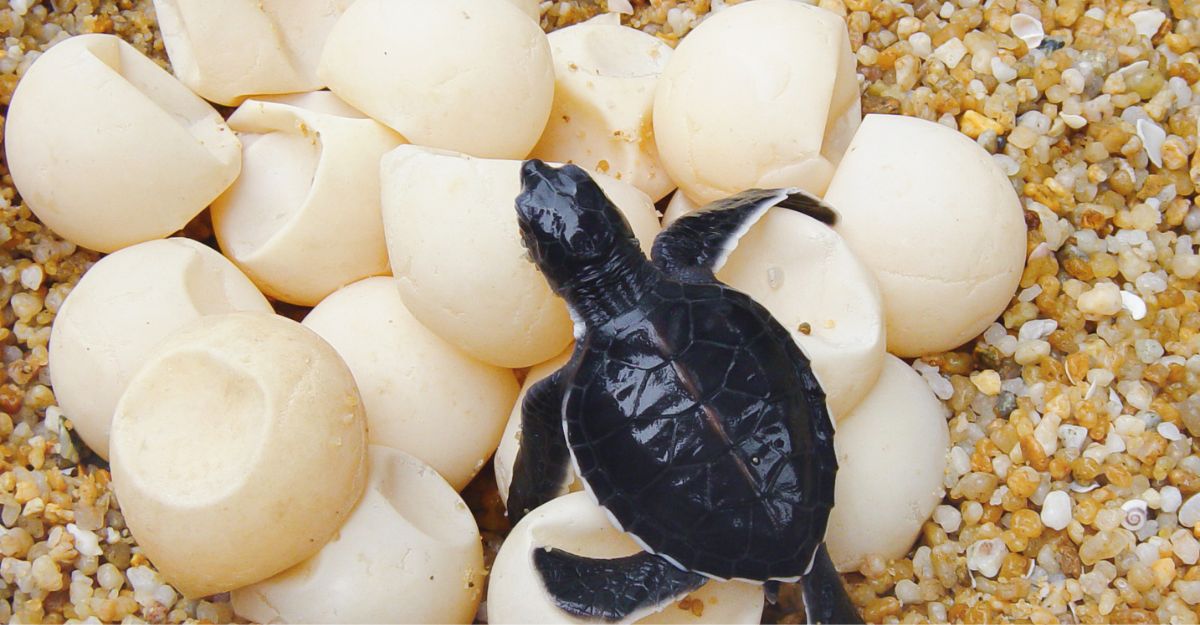
Female turtles lay eggs in beach nests. After incubation, the hatchlings emerge and move toward the sea. Olive ridley turtles are an important part of local conservation programmes. Incubation and emergence vary with natural conditions, so an exact age or number of days should not be promised for every nest.
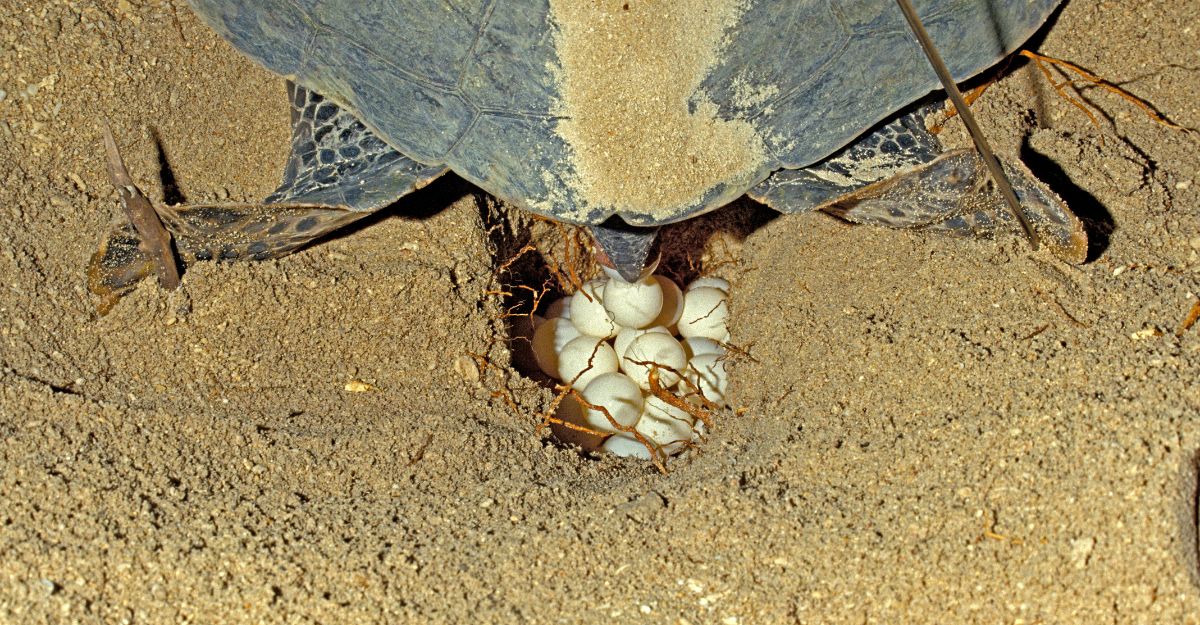
Conservation staff may monitor and protect nests and undertake authorized management when needed. Visitors should stay clear of marked nesting areas and avoid digging, moving eggs or attempting their own rescue.
What visitors should do
- Follow the authorized team and remain in the viewing area it designates.
- Do not touch, pick up or manipulate hatchlings for a release.
- Keep flash, white lights and other disruptive illumination away from the activity.
- Do not block the hatchlings’ path or step into the group.
- Keep pets, vehicles and rubbish away from nesting areas.
These are observation and protection arrangements, not an invitation to hold wildlife. Report a turtle, nest or apparent problem to conservation staff or the relevant environmental authority instead of intervening yourself.
Finding a suitable programme
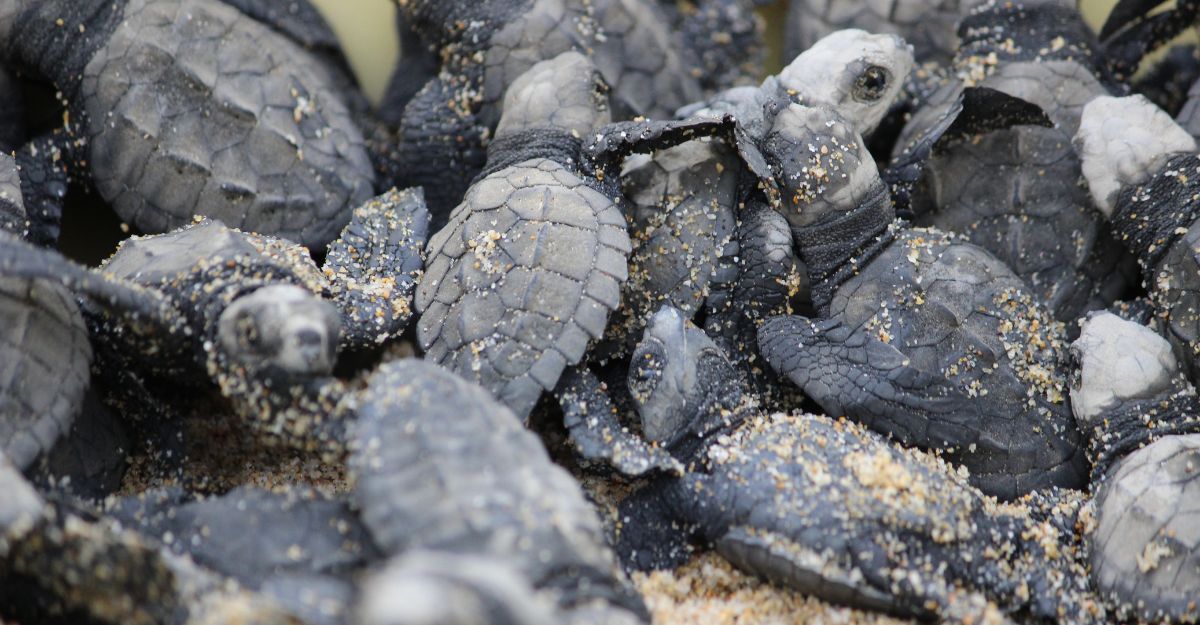
The Hilton Los Cabos turtle-protection information describes one local programme. Cabo Trek also advertises seasonal turtle outings. Ask who conducts the conservation work, what authorization applies and what happens if no suitable release is available.
Check guest restrictions, transport, accessibility, total cost and any donation arrangements directly. Volunteering requires agreement with the organization; buying a tour does not automatically authorize nest monitoring or handling animals.
Respect the wider coast
Use an organized viewing opportunity rather than searching protected nests along a list of beaches. A sighting of an adult turtle from a boat is different from observing nesting or a hatchling release.
Profepa’s Los Cabos conservation guidance asks people to report nests and sightings and avoid direct handling. Respectful observation can support the purpose of the visit without turning wildlife into a guaranteed attraction.